About Wessex Trains
Wessex Even though Trains only existed from 2001 to 2006, its story is quite comparable to that of sportsmen or artists who have brief but brilliant careers and leave behind legacies that greatly outweigh their brief existence. The enterprise, which was owned by National Express, did more than just operate local trains; it linked university towns, cathedral cities, and coastal villages in ways that were incredibly successful at tying communities together. Its services, especially for villages that frequently ran the risk of being overlooked on larger train maps, felt more like lifelines than transactions.
Whether traveling on the Atlantic Coast Line to Newquay, the Severn Beach Line close to Bristol, or the St Ives Bay Line with its expansive Cornish vistas, passengers frequently recount experiences that seemed quite apparent in their intent: maintaining the visibility and vibrancy of smaller places. Wessex Trains maintained mobility outside of Paddington or Waterloo, just like regional theatres do outside of London. For many, this was about being a part of a common travel rhythm that connected daily life, not just about getting from point A to point B.
Retained from previous services, the Alphaline branding represented aspiration. It was noticeably better regional transport that promised comfort and dependability on secondary routes, but it wasn’t high-speed glamour. Passengers felt proud of this branding, especially in the South West where rail accessibility was frequently linked to economic opportunity. It served as a kind of quality seal, which was especially helpful for people who commuted or traveled great distances through rural areas.
From the eccentric Class 143 Pacers to the more refined Class 158 Express Sprinters, the company’s trains each have their own distinct personalities. Some of the units even donned vibrant vinyls that promoted travel to Bristol and the West Country, turning them into moving billboards for community pride. In retrospect, the attempt to incorporate community identity into rolling stock seems especially creative; it serves as a subtle yet powerful reminder that trains are cultural communicators rather than just equipment.
Wessex Trains’ brief existence is intriguing since it fell during a pivotal political period when the Strategic Rail Authority was restructuring Britain’s rail network. It was initially targeted for merger in 2002, and by 2006, it had been included into FirstGroup’s Greater Western franchise. Because fewer operators were involved and services were streamlined, this consolidation was quite effective for the Department for Transport. However, the loss of the Wessex identity was like the removal of a familiar neighbor to passengers in Bath, Exeter, Plymouth, and dozens of other branch-line villages.
Something important is revealed by this sensation of loss: brands that get ingrained in everyday life gain cultural significance that much beyond their commercial worth. Like neighborhood stores or neighborhood football teams, Wessex Trains stood for reliability. Even if its removal didn’t make national news, its loss had a profoundly emotional impact. The transition to a new operator meant bidding farewell to a badge that had become an integral part of the identities of the conductors and station employees, many of whom became familiar faces to frequent passengers.
One should not undervalue the effect on tourism. Vacationers were drawn to branch lines like the St Ives Bay Line and the Riviera Line to Paignton. Families traveling to vacations by the sea frequently boarded Wessex trains with the same joy that kids get when they see their favorite cartoon character. This function in promoting tourism was incredibly dependable and supported local economies in ways that are still evident today. In light of current discussions about sustainable tourism, the choice to maintain small lines appears especially creative and incredibly successful in retrospect.
Celebrity culture comparisons may seem out of the ordinary, yet they highlight the nature of memory. Passengers romanticize Wessex Trains in the same way that fans do with short-lived bands or artists who played significant but brief roles. Its legacy is one of small-town commitment rather than fast-paced splendor. Its vibrant livery and picturesque services continue to evoke strong feelings of nostalgia, emerging in rail forums, transport films, and even casual chats in South West pubs.
In recent years, as climate concerns change transport policies, Wessex Trains’ concentration on branch lines feels dramatically ahead of its time. By providing priority to local journeys rather than simply feeding long-distance intercity lines, it expressed a philosophy of inclusivity and accessibility. This local-first strategy is quite instructive for early-stage rail decarbonization discussions, showing how minor lines can have a significant impact on sustainable travel.
It is worthwhile to consider how Wessex Trains impacted people’s life. Each group carried stories influenced by their travels, whether they were workers commuting into Bristol, vacationers taking the Looe Valley Line, or students traveling from Cardiff to Brighton. Together, these tales create a mosaic of belonging, resiliency, and community. Even decades after the company’s name disappeared from schedules, its memory is surprisingly enduring, which can be explained by that mosaic.
Wessex Trains has attained a sort of cultural immortality, much like a performer whose little discography is valued more highly due to its brevity. Although its services were not flawless—its Pacers clattered, delays were unavoidable, and policy decisions frequently eclipsed its effectiveness—its reputation was remarkably resilient in the eyes of those who depended on it. Furthermore, Wessex Trains serves as a case study for how even a brief operator can significantly influence the narrative of regional identity and connectedness as Britain continues to debate the future of rail franchises.
| Name | Wessex Trains |
|---|---|
| Type | Train Operating Company |
| Parent Company | National Express Group |
| Franchise Duration | October 14, 2001 – March 31, 2006 |
| Regions Served | South West England, South Wales, South East England |
| Fleet Size | 70 units (Class 143, 150, 153, 158, plus locomotive-hauled services at times) |
| Stations Served | 161 (125 operated directly) |
| Notable Routes | Cardiff–Brighton, Penzance–Great Malvern, Heart of Wessex Line, Riviera Line, Atlantic Coast Line, St Ives Bay Line, Tamar Valley Line |
| Successor | First Great Western (Greater Western franchise, now GWR) |
| Reference | Wessex Trains – Wikipedia |
Latest
Wessex Main Line Route Map

The Wessex Main Line Route Map tells a tale of perseverance, advancement, and cultural significance in addition to being a map of stations. It spans 85 miles from Bristol Temple Meads to Southampton Central, traversing the Georgian elegance of Bath, the ancient charm of Salisbury, and the undulating landscapes of Wiltshire. The map serves as more than just a schedule for many travelers; it is a promise of inclusion and a particularly useful thread connecting communities that may otherwise feel excluded.
Passing through a family album is remarkably comparable to the sensation of travelling the Wessex route. Each stop has a story to share. Brunel’s design for Bristol Temple Meads seems to be a tribute to ambition. Bath Spa serves as a reminder that rail does more than simply transport people; it transports them into the past and drops them off in a city that is adored by novelists and royalty alike. With its sky-piercing spire, Salisbury offers a remarkably distinct landmark that has served as a guide for generations. The line’s commitment to serving not only the larger cities but also the smaller voices in its region is demonstrated by the continuity of even the smallest stops, such as Dilton Marsh or Dean.
The map’s weight comes from the Wessex Main Line’s history. By 1840, the London and South Western Railway had reached Southampton, and by 1847, it had reached Salisbury. A more direct Southampton–Romsey connection was later provided by the Sprat and Winkle Line, which was incredibly successful for local trade. The Wilts, Somerset, and Weymouth Railway took on the task of connecting rural settlements north of Salisbury, but because to financial constraints, it was ultimately absorbed by the Great Western Railway. The difficulties faced by authors, artists, and even contemporary tech startups—big ideas clashing with financial realities before being saved by bigger players—were reflected in these early mergers.
Parts of the route closed throughout time, especially around the middle of the 20th century. The stations at Bathampton and Limpley Stoke were affected by the widespread cuts made in the 1960s. However, the tale did not stop there. After being shut down, Melksham reopened in 1985, and in 2013, more services significantly enhanced its resurgence. That reopening demonstrated how resilience may reverse decline when combined with public demand. In this way, the map changes throughout time, serving as a reminder that transportation systems are just as dynamic as the societies they serve.
The Chippenham branch provides a clear illustration of this point. When it was cut to just two services per day in 2006, it appeared doomed to become obsolete. However, its frequency was greatly increased as a result of persistent campaigning and the realization of rising demand. By 2013, services had grown, demonstrating rail’s flexibility in meeting the demands of actual people. The Wessex map is incredibly functional, accommodating both leisure wandering and the urgency of commuters, providing a unique experience for each tourist.
The line crosses the West of England Main Line at Salisbury and the Reading to Taunton route at Westbury. These relationships function similarly to well-known joint ventures in music or movies, where the fusion of disparate skills results in something better. The Wessex Main Line becomes even more important at these intersections, serving as a hub for the convergence of national and regional services. As a result, the route map is more than just a local strategy; it is a national link with ramifications for daily commuting, freight, and leisure.
Its influence on culture has persisted particularly well. Working families could now afford beach vacations because to the democratization of coastal travel brought about by the 1896 opening of the Cardiff to Portsmouth route. The Wessex Main Line pioneered inclusion by making sure that places were accessible not only to the wealthy but also to average homes, much way today’s influencers market “slow travel” as fashionable and environmentally benign. In terms of society, this mentality is very effective, connecting areas and expanding access to leisure and education.
The contemporary map presents two stories. On the one hand, commuters who depend on reliable services between towns and cities use it as a conduit. On the other hand, it serves as a picturesque backdrop for visitors who want to enjoy the Avon Valley or catch a sight of Salisbury Cathedral while riding the train. It is especially inventive because of this duality, which shows how infrastructure can both meet urgent needs and foster artistic appreciation. The Wessex route is now celebrated by train simulators and virtual recreations, which demonstrate its ongoing appeal in digital form and demonstrate its relevance beyond paper maps.
The Wessex Main Line’s function seems more important in light of climate change. It is important to reduce reliance on cars; it is no longer an option. The route demonstrates how heritage lines can develop into sustainable assets by providing a much quicker and more environmentally friendly option for regional travel. In terms of their wider economic impact, investments in train enhancements are unexpectedly reasonable because they frequently cost less than constructing new freeways. Communities become more mobile, cities become less congested, and regions draw tourists—all of which are both pragmatic and progressive results.
This forward-thinking approach is demonstrated by Network Rail’s dedication to improvements on the Wessex line. By investing in reliability, upgrading platforms, and strengthening signaling, the line evolves from a transportation service into a vision of sustained regional growth. In addition to being incredibly effective for daily travelers, the upgrades also contribute to long-term economic growth in a very durable way.
The Wessex Main Line Route Map ultimately tells a story of connection—between people, between places, and between the past and the future. It reminds us that closures can be undone, that supply can be reshaped by demand, and that innovation and legacy can coexist. Many people find that looking at the map brings back memories of their early years or their time as students; for others, it serves as a daily life chart that is as necessary but mundane as their morning cup of coffee. Its capacity to transport more than simply trains is what gives it its ageless appeal. Because of this, the Wessex Main Line continues to serve as both a practical train route and a cultural icon, powerfully reminding us that maps are more than just schematics; they represent promises of growth, community, and connection.
| Line Name | Wessex Main Line |
|---|---|
| Status | Operational |
| Owner | Network Rail |
| Regions Covered | Wiltshire, Hampshire, South East England, South West England |
| Line Length | 85 miles (137 km) |
| Gauge | Standard gauge (1,435 mm) |
| Key Stations | Bristol Temple Meads, Bath Spa, Bradford-on-Avon, Trowbridge, Westbury, Warminster, Salisbury, Romsey, Southampton Central |
| Connections | Great Western Main Line, South Wales Main Line, West of England Main Line, TransWilts Line, Heart of Wessex Line |
| Operator | Great Western Railway and South Western Railway |
Passenger Rail Operators In The UK
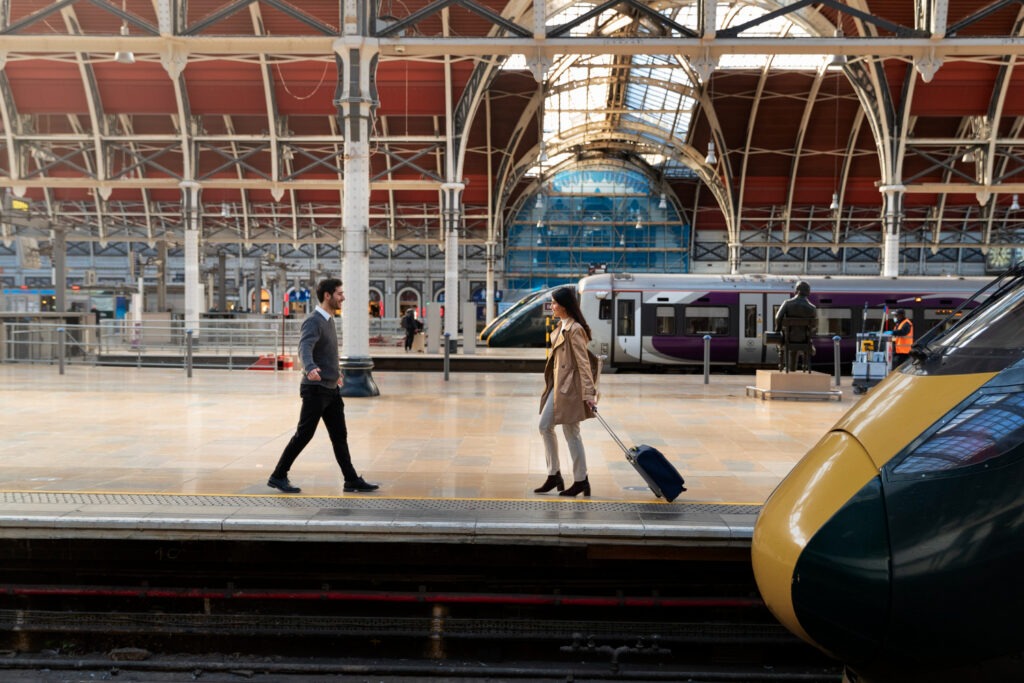
The UK’s network of passenger rail operators is like a meticulously assembled mosaic, with each business fulfilling its specific function and collectively creating an incredibly clear image of the country’s connectedness. Today, there are 28 major operators, spanning from well-known brands like Great Western Railway and Avanti West Coast to smaller but incredibly successful open-access companies like Grand Central and Hull Trains. This patchwork bears a remarkable resemblance to a symphony, in which each component contributes to the overall performance that passengers depend on on a daily basis while maintaining its own unique tone.
Because of their size and reach, national operators frequently make headlines. Sleek intercity services are operated by Avanti West Coast along the West Coast Main Line, which connects London with Birmingham, Manchester, Liverpool, and Scotland. Business travelers who view rail as an alternative to short-haul flights will find these services very helpful and convenient. The East Coast Main Line is operated by the London North Eastern Railway (LNER), which has gained notoriety in its own right. Passengers in Edinburgh and Newcastle have praised the significantly increased speed and dependability of its contemporary fleet.
The Great Western Railway, which links Paddington with Cornwall, Devon, and South Wales and is painted in a deep green livery indicative of its Brunel legacy, is a transport lifeline and a cultural icon that is incredibly resilient. CrossCountry, which connects locations without the need for a London interchange, has the most extensive network in the nation, extending from Aberdeen to Penzance. On the other hand, the East Midlands Railway keeps the Midlands connected to London via St Pancras, which commuters and students alike appreciate every day.
Beneath these titans, however, is an equally fascinating layer of regional and local operators whose work has a profound impact on day-to-day living but is frequently much less visible. London Overground has significantly enhanced the commuter experience in the capital by converting abandoned outlying lines into incredibly effective thoroughfares. Like New Yorkers rely on their subway system, Liverpool residents trust Merseyrail, an operator that continues to be incredibly dependable. The heavy load of south-east commuter traffic is carried by Southeastern, Southern, Thameslink, and C2C, where services may feel under pressure but continue to move millions of people with remarkable efficiency. Operating under the names London Northwestern Railway and West Midlands Railway, West Midlands Trains offers unexpectedly inexpensive connection that is especially advantageous for the expanding metropolitan areas surrounding Birmingham.
Devolved operators draw attention to how cultural identity is reflected in railroads. Returned to public control, ScotRail combines picturesque routes into the Highlands with commuting services throughout central Scotland, creating journeys so breathtaking that travel writers and celebrities frequently call them life-affirming. The goal of Transport for Wales, which operates throughout the untamed landscapes of Wales, is very clear: to maintain the accessibility and economic viability of rural areas. Translink’s Northern Ireland Railways is still the only operator in the province and does a remarkable job of keeping Belfast, Derry, and the other intermediate towns connected. In addition to being essential for operations, these devolved services have emotional resonance and represent regional autonomy and pride.
The industry is infused with innovation and competition by the open-access operators. Hull Trains and Grand Central operate outside the franchising scheme, offering direct services from London to Hull, Sunderland, and Bradford. These companies frequently receive some of the top satisfaction ratings in the country, showing a flexible, customer-focused strategy that feels unusually obvious in contrast to the bureaucracy commonly associated with larger franchises. Using entirely electric trains and positioning itself as a more environmentally friendly option to low-cost airlines, Lumo, a newcomer on the London to Edinburgh route, has garnered attention for its particularly creative sustainability plan. Despite being international, Eurostar is inextricably linked to the history of British rail because of its streamlined trains, which make Paris and Brussels seem remarkably close to Manchester or Birmingham. Despite being an open-access operator, the Caledonian Sleeper has cultural significance that extends well beyond its market size. Travelers romanticize the airline’s overnight London–Scotland service as being exceptionally good at making enormous distances seem manageable.
Airport-specific services are an additional factor. International passengers will especially benefit from the much quicker trips that Gatwick Express and Heathrow Express offer between London and major airports. its incredibly dependable performance supports its ongoing relevance, even though their premium fares are up for discussion. Completely incorporated into London’s rail network, the Elizabeth Line has already revolutionized commutes around the city. Many analysts have compared its incredibly efficient design to the introduction of a new smartphone that becomes quickly indispensable.
Having so many operators makes things complicated, which is both a strength and a challenge. On the one hand, it fosters choice, innovation, and competition, which significantly improves services across the board. However, travelers frequently lament that ticketing is still unclear, with disjointed systems that make straightforward trips seem needlessly difficult. Although websites like Trainline and National Rail Enquiries have attempted to condense information, this has occasionally resulted in a considerable decline in trust. Some contend that the envisaged Great British Railways will benefit greatly from consolidation, offering a single brand that may be very effective at streamlining the traveler experience. Others worry that it might hinder especially creative open-access projects that have questioned the status quo.
Like football teams or fashion brands, rail operators in the UK also have cultural identities. With its unmistakable red and white branding, Avanti West Coast has come to represent business travel. With its services from King’s Cross associated in the public’s mind with famous locations like York and Edinburgh, LNER carries echoes of tradition with a contemporary twist. The vivid yellow trains of Merseyrail are as much a part of the local identity as The Beatles are of Liverpool. Because of its traditional connotations, GWR’s dark green feels incredibly resilient as a cultural symbol. Because politicians, athletes, and celebrities frequently travel by rail, these brands influence attitudes and actions. This serves to further the notion that operators are more than just transportation providers; they are public icons.
Their importance in the context of climate change is very evident. For medium-distance travel, rail is still far quicker and more environmentally friendly than the road, and for domestic transport, it is far more sustainable than flying. While giants like GWR and LNER are investing in electrification and modernization to stay particularly creative, operators like Lumo are positioning themselves as advocates of the climate agenda. In recent years, conversations over rail have expanded beyond transport policy into cultural debates about sustainability, inclusivity, and social justice.
Therefore, there are significantly more passenger rail operators in the UK than just trains. They represent ties between the past and the future, cultural symbolism and practical necessity, local identity and national purpose. From the late-night traveler on the Caledonian Sleeper to the early-morning commuter boarding at Watford Junction, they are incredibly good at tying together the fabric of daily life. Their distinctions are intricate, multi-layered, and always evolving, much like the diversity of the country. Their story is still interesting since it deals with how a society advances collectively rather than just transportation.
| Topic | Passenger Rail Operators In The UK |
|---|---|
| Number of Major Operators | Around 28 (regional, national, open-access, devolved) |
| National Operators | Avanti West Coast, LNER, CrossCountry, Great Western Railway, East Midlands Railway |
| Regional & Local Operators | London Overground, Merseyrail, Southeastern, Southern, Thameslink, West Midlands Trains |
| Devolved Operators | ScotRail, Transport for Wales, NI Railways (Translink) |
| Open-Access Operators | Hull Trains, Grand Central, Lumo, Eurostar, Caledonian Sleeper |
| Ownership Model | Mix of state-owned, private groups, and joint ventures under government contracts |
| Role | Provide intercity, commuter, airport, suburban, and international passenger services |
| Reference | List of UK Rail Operators – Wikipedia |
Great British Railways
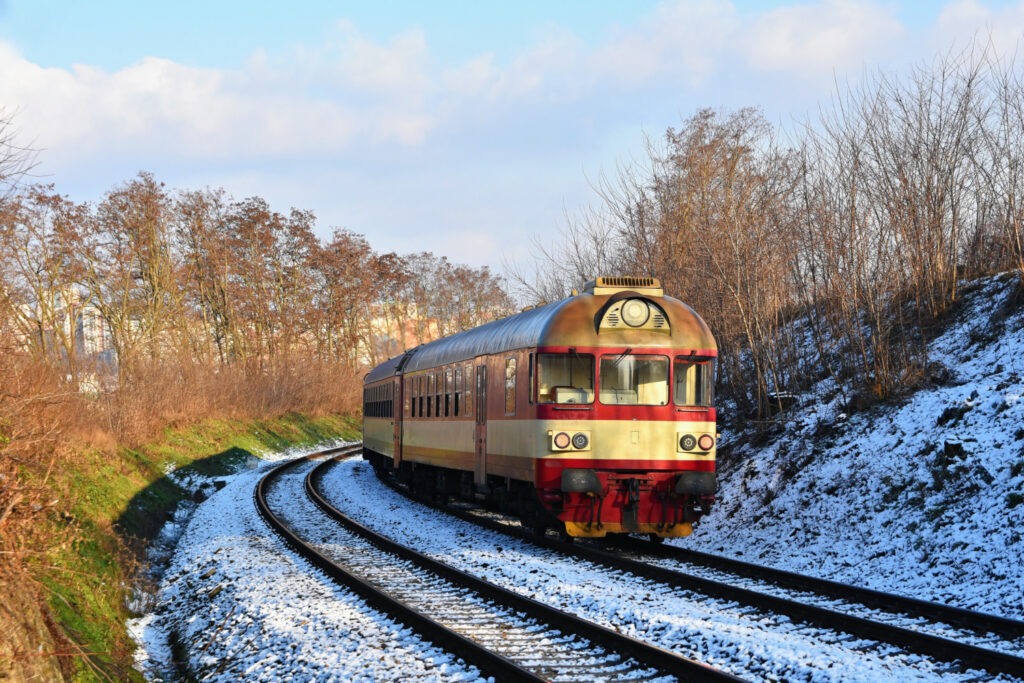
By establishing a single operator that seems surprisingly akin to British Rail in spirit but amazingly successful in its ambition for modern mobility, Great British Railways marks an incredibly clear attempt to put an end to decades of fragmentation. One name, one schedule, and one ticketing system will replace a bewildering tangle of disparate businesses, restoring consistency rather than making travelers navigate a patchwork of operators. It is a symbolic return to simplicity, trust, and public ownership rather than just a policy initiative.
Derby’s selection as its headquarters is especially significant. Derby is already home to Europe’s largest rail cluster and is renowned as a historic center of railway innovation. Its selection demonstrates a concerted effort to decentralize authority, boost regional economies, and promote pride outside of London. Compared to the extremely centralized arrangements of the past, this decision feels much better, demonstrating how leadership plans to strike a balance between tradition and forward-thinking progress. It does a remarkable job of connecting local potential with national goal.
After rail privatization in the 1990s divided accountability between state-managed infrastructure and private train operating businesses, the path to GBR started decades ago. The system left passengers with unclear fares, inconsistent branding, and inadequate accountability despite being promoted as innovative. Failures such as the collapse of Railtrack following the Hatfield incident demonstrated how dangerously disjointed the system had grown. Even after Network Rail took over the infrastructure in 2002, passengers still had to deal with a number of operators whose services were not always reliable. Great British Railways is proving to be an incredibly resilient way to bring people back together in this situation.
This reform was made possible by the Williams–Shapps Rail Review of 2021, which suggested a single entity to serve as the system’s compass. Because it combines nostalgia and modernity, its resuscitation of the historic British Rail Double Arrow emblem is especially unique in terms of culture. Similar to how designers bring back vintage logos in technology or fashion, GBR’s use of the Double Arrow signifies renewal while maintaining continuity. Just this branding has drawn attention, drawing analogies to comebacks in music or movies that are sponsored by celebrities, demonstrating that identity is just as important as infrastructure.
In Britain, trains have a strong cultural hold on everyday life and memory. Trains have cultural significance that extends well beyond transportation policy, as seen by anything from Michael Portillo’s television excursions to the Beatles’ lyrics. GBR is incredibly successful at recovering that cultural resonance by positioning itself as a national emblem. In addition to being a reform, the prospect of smooth travel and more transparent fares seems to be an encouragement to rethink railroads as incredibly resilient public resources rather than just profit-driven private enterprises.
The government’s approach of regaining public ownership of one operator at a time is quite effective; it avoids clumsy compensation payments while gaining momentum gradually. The first step was the transfer of South Western Railway in May 2025, which was followed by C2C in July and Greater Anglia in October. Every move serves as a benchmark, indicating advancement toward the goal of integrating all of the main franchises by 2027. Passengers benefit most from this procedure since it helps them get accustomed and confident with the GBR brand before its official introduction.
Perhaps the area where passengers will notice change the most quickly is ticketing reform. The current fee structure is infamously complicated, frequently attacked in political debates and mocked by comedians. Split-ticketing, which reflects a particularly ambiguous system, has evolved into a workaround. In an effort to rebuild confidence, GBR has pledged to make pricing more straightforward, equitable, and available online. Compared to existing procedures, this will feel unexpectedly economical for families planning long-distance travel, and it will feel especially creative for younger passengers who are used to streamlined digital tools.
Great British Railways is now seen as a political emblem of ideological change. Instead of portraying it as bureaucratic, Labour has framed it as evidence that public ownership can be quite effective. Critics fear that if ambitious improvements are not implemented, it might turn into what some refer to as the “ghost of British Rail.” However, popular support for renationalization is constantly high, according to opinion polls, particularly among younger people who believe that railways are both socially and environmentally necessary. This widespread support implies that GBR might be incredibly resilient in influencing political discourse on state-owned services if implemented clearly.
Additionally, the environmental justification for GBR is very evident. Electrification makes rail travel very inventive in the fight against climate change, as it emits much less carbon than vehicles and airplanes. GBR may be incredibly successful in moving goods transportation off of trucks, lowering emissions and congestion, by establishing aggressive rail freight development targets. The organization is very adaptable, achieving social, environmental, and economic objectives all at once thanks to its dual focus on passengers and freight.
Its branding in daily life will also determine its level of cultural acceptance. The new brand will become more commonplace in the public’s mind if celebrities make casual references to GBR, such as Adele traveling to Bath on a GBR train or a Premier League football team using GBR services. When government leaders openly support green transportation or influencers promote sustainable businesses, these cultural moments have a startling impact. In this sense, GBR is a cultural brand in addition to a transportation policy.
However, difficulties cannot be disregarded. With unions demanding decent wages and working conditions, industrial relations are still precarious. Massive investments are needed for infrastructure, and the financial model will be put to the test in a post-pandemic world where commuter numbers have significantly increased but are still not entirely back to normal. The unifying framework of GBR, however—one voice, one identity, and one driving strategy—is what makes it so effective at managing complexity.
Thus, Great British Railways is more than just a change of administration. It is a bold cultural and political endeavor that successfully unifies service and infrastructure under a single, responsible entity. Although it has some similarities to British Rail, it has been significantly enhanced by the lessons learned from the past and the needs of the present. Whether it can continue to be amazingly effective in delivery, shockingly clear in vision, and surprisingly affordable in practice will determine its success.
| Topic | Great British Railways |
|---|---|
| Company Type | Planned State-Owned Enterprise |
| Industry | Railway Transport, Infrastructure, Asset Management |
| Predecessor | Network Rail, Rail Delivery Group, DfT Operator |
| Headquarters | Derby, England |
| Key People | Laura Shoaf – Chair of Shadow Great British Railways |
| Ownership | HM Government (Department for Transport) |
| Functions | Passenger services, infrastructure management, fares, timetables, ticketing reform |
| Establishment Timeline | Shadow body in 2024, formal launch expected by 2027 |
| Brand Identity | British Rail “Double Arrow” logo (revived with modern design) |
| Reference | Great British Railways – Wikipedia |
London Northwestern Railway
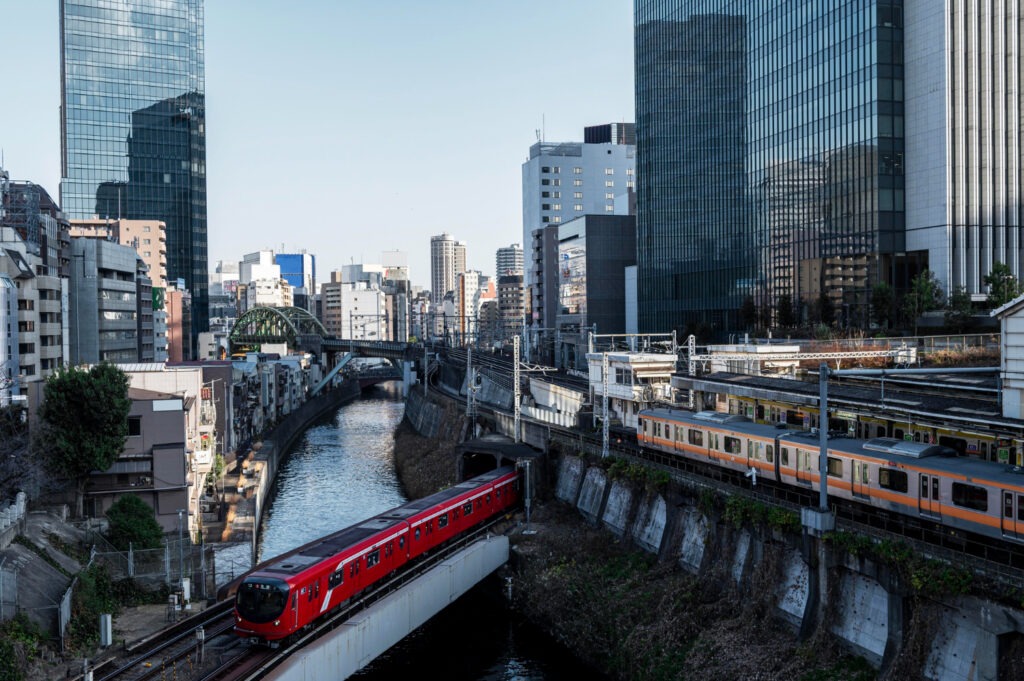
In ways that are strikingly similar to the grand ambitions of the Victorian Premier Line, whose echoes can still be heard in its green-liveried trains today, the London Northwestern Railway, known across timetables simply as LNR, is a hybrid of heritage and modern utility, connecting London Euston with Birmingham, Liverpool, Crewe, and Northampton. Its name is a conscious reference to the nineteenth-century London and North Western Railway, which was once referred to as the biggest joint stock company of its time. This historical nod is especially helpful in reminding passengers that the tracks they currently travel on were constructed through the efforts of engineers and tenacity.
In a manner that feels both remarkably effective and exceptionally clear in its intent, the current operator operates as part of West Midlands Trains and West Midlands Railway, which together control nearly 150 stations across more than 500 miles of track, connecting smaller towns with major hubs. For innumerable travelers, LNR is not a flashy brand like Eurostar or Avanti West Coast; rather, it is a routine service that, in spite of its detractors, is surprisingly reasonably priced for professionals, families, and students whose lives depend on consistent, reliable transportation.
The service has been under intense scrutiny in recent years, especially for delays, crammed carriages, and problems like broken air conditioning. These complaints are remarkably similar to those made of British Rail decades ago, when the joke about curly sandwiches became a shorthand for dissatisfaction across the country. The gradual introduction of new Class 730 Aventra trains, which offer more legroom, faster acceleration, and—most importantly—charging sockets that reflect the modern reality of passengers working on laptops and phones while in transit, is one example of how service has significantly improved despite such complaints.
Through the use of digital innovation, LNR has implemented flexible season tickets and single-leg pricing, providing commuters with a degree of choice that is quite effective for those juggling hybrid work arrangements. Although these changes may appear small, they have a remarkable impact on building confidence with travelers who are calling for more pricing transparency. In addition to business travelers, families looking for inexpensive weekend getaways are also impacted by these developments, as promotional tickets of £9 to Birmingham or £14 to Liverpool become blatant calls to travel more frequently.
LNR holds a special place in the national psyche in terms of culture. The brand itself becomes an unsaid companion in a patchwork of stories created by football fans packing its trains on their way to Anfield, kids returning to school in Birmingham, and actors making their way to London theaters. The everyday use of LNR by regular people highlights how trains subtly become a part of society, just like celebrities seen on trains frequently personalize the experience of rail travel. This cultural connection is especially creative because it transforms the service into a moving backdrop to life rather than just a means of transportation.
In terms of politics, the story of London Northwestern Railway is changing. LNR is expected to become publicly owned by February 2026 as a result of the Labour government’s commitment to renationalization. This change is anticipated to streamline systems that have confused track and train for decades; some view it as a long-overdue repair, while others view it as an ideological risk. The move is presented as having a very clear goal: to prioritize passengers, lessen fragmentation, and concentrate on providing consistency. The promise of increased accountability is remarkably similar to a long-awaited return to basics for passengers used to late trains or last-minute cancellations.
The line, like others, suffered during the epidemic as passenger numbers plummeted, causing the government to implement emergency measures that transferred cost risk from private operators to the state. The public’s trust in the private franchise model was severely damaged by that incident, which demonstrated how flimsy the current system had become. Since then, the push for public control has only accelerated, and LNR, which is located on one of the busiest thoroughfares in Britain, has emerged as a test case to see if renationalization can significantly improve rail stability.
In terms of finances, London Northwestern Railway strikes a delicate balance between sustainability and affordability. With a rise in leisure travel and a decline in daily commuters, passenger patterns have evolved. The operator has deftly capitalized on this change by providing family packages and advance prices, which have significantly enhanced travel for casual passengers while maintaining commuter flows. Despite its flaws, this tactic has been very helpful in packing trains that could otherwise be empty.
LNR’s destiny is closely linked to the larger narrative of Great British Railways, the network’s new state-owned operator. If GBR is successful, London Northwestern Railway will be seen as a brand that served as a bridge between the united goal of a national service and the divided period of private operators. In this way, even if its name is eventually incorporated into a more comprehensive GBR brand, it will be incredibly resilient in memory.
In the end, London Northwestern Railway is more than just a timetable entry; it is a story about how politics affect everyday commutes, how history shapes contemporary transportation, and how passengers gauge success not in shareholder returns but in the time saved, the comfort received, and the dependability attained. It is a brand that carries the weight of tradition and the promise of change, destined to be a part of an ongoing rail story that is surprisingly effective in its potential and shockingly comparable to the idea that put steel on sleepers for the first time almost two centuries ago.
| Topic | London Northwestern Railway |
|---|---|
| Operator | West Midlands Trains (trading name) |
| Regions Served | Greater London, West Midlands, North West, East Midlands, South East |
| Key Routes | London Euston – Birmingham – Liverpool – Crewe – Northampton |
| Parent Company | Transport UK Group (85%), Mitsui & Co (15%) |
| Fleet | Class 150, Class 350, Class 730 Aventra units |
| Headquarters | Birmingham, United Kingdom |
| Predecessor | London Midland (2017) |
| Future Status | To transfer into public ownership under DfT Operator by February 2026 |
| Branding | Tribute to the historic London & North Western Railway (1846–1922) |
| Reference | London Northwestern Railway Official Site |